

3mm clear glass price
Les Garde-Corps Sécurité et Esthétique Les garde-corps, également connus sous le nom de rambardes ou de balustrades, jouent un rôle crucial dans la sécurité des espaces tant intérieurs qu'extérieurs. Il s'agit de structures conçues pour prévenir les chutes, offrant une protection sur les balcons, les terrasses, les escaliers et les quais. Dans cet article, nous allons explorer les différents aspects liés aux garde-corps, incluant leur importance en matière de sécurité, les matériaux utilisés et les options de conception. Les Garde-Corps Sécurité et Esthétique En plus de leur fonctionnalité sécuritaire, les garde-corps apportent une dimension esthétique aux espaces. Ils peuvent être fabriqués à partir de divers matériaux, tels que le métal, le verre, le bois ou des composites. Les garde-corps en verre, par exemple, permettent de profiter pleinement de la vue tout en garantissant une barrière de sécurité. Ils s'intègrent harmonieusement dans les designs contemporains, apportant une touche de modernité. Les garde-corps en fer forgé, quant à eux, sont souvent choisis pour leur robustesse et leur potentiel décoratif, avec des motifs artistiques qui enrichissent l'esthétique générale d'un bâtiment. v guide rail Le choix du matériau dépend également du contexte d'utilisation. À l'extérieur, il est essentiel de considérer la résistance aux intempéries. Des choix comme l'aluminium ou l'acier inoxydable sont souvent privilégiés pour leur durabilité et leur résistance à la corrosion. À l'intérieur, les garde-corps en bois apportent chaleur et charme, bien qu'ils nécessitent un entretien régulier pour préserver leur apparence. En termes de réglementation, chaque pays a ses propres normes en matière de construction, y compris celles relatives aux garde-corps. Il est donc important de se renseigner sur les lois locales pour garantir la conformité lorsque l'on installe un garde-corps. Il est aussi recommandé de faire appel à des professionnels pour l'installation, assurant ainsi que la structure répond aux exigences de sécurité. Enfin, les garde-corps peuvent également être personnalisés pour s’adapter à l'architecture spécifique d'un bâtiment. Des éléments supplémentaires comme des éclairages intégrés ou des designs modulaires peuvent transformer un simple garde-corps en un élément clé du design d’un espace. En conclusion, les garde-corps sont bien plus qu'une simple mesure de sécurité. Ils sont une fusion entre fonctionnalité et esthétique, contribuant à la sécurité tout en enrichissant l’apparence d’un bâtiment. Que ce soit pour un usage résidentiel ou commercial, leur choix mérite une attention particulière pour garantir à la fois sécurité et style.
about
3mm clear glass price
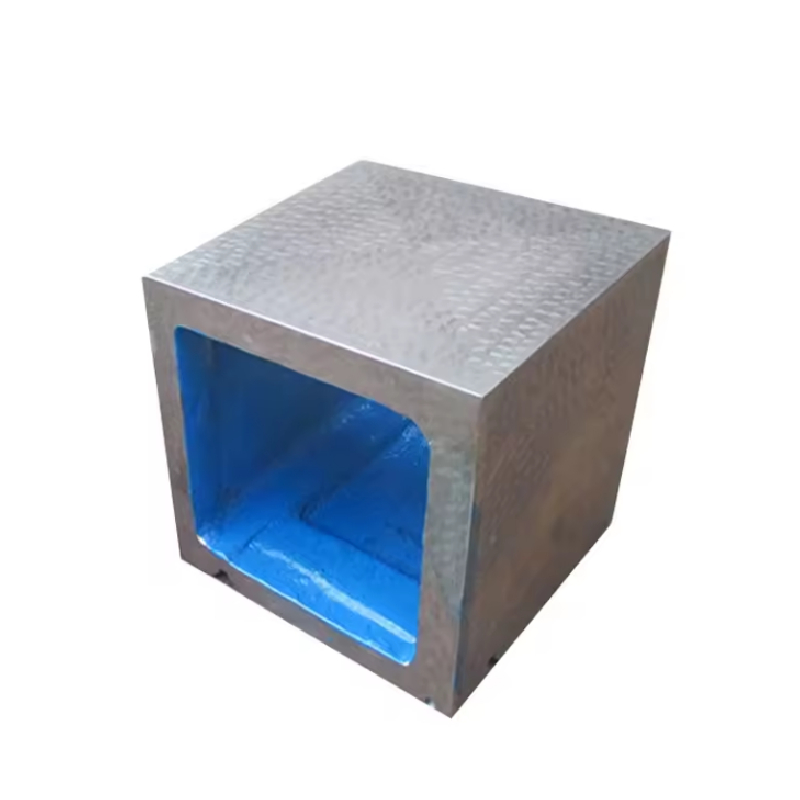
The Importance of Metal Table Fabrication Metal table fabrication is a vital aspect of modern manufacturing and design, serving a multitude of industries ranging from furniture design to architectural construction. The process transforms raw metal into functional pieces of furniture, enabling both practical uses and artistic expressions. This article explores the significance of metal table fabrication, the fabrication techniques involved, and the benefits of choosing metal tables for various applications. Understanding Metal Table Fabrication Metal table fabrication involves the process of designing and constructing tables made primarily from metal materials. Common metals used in this process include steel, aluminum, and stainless steel, each offering unique properties that affect the table's durability, aesthetics, and overall functionality. The fabrication process typically includes several stages material selection, cutting, shaping, welding, finishing, and assembly. Each stage requires precision and expertise, as any miscalibration can lead to structural weaknesses or aesthetic flaws. Skilled artisans and engineers are often involved in these processes to ensure high-quality outcomes that meet specific design requirements. Techniques in Metal Fabrication There are various techniques used in metal table fabrication, each contributing to the final product's design and functionality. Some of the most common methods include 1. Cutting This initial step involves slicing metal sheets into the desired dimensions. Techniques such as laser cutting, plasma cutting, and waterjet cutting are popular for their precision and efficiency. 2. Bending Once the metal is cut, it often requires bending to achieve the desired shape . This can be done through various methods, including press braking and roll bending. 3. Welding Welding is crucial for joining different metal pieces together. Techniques like MIG (Metal Inert Gas) and TIG (Tungsten Inert Gas) welding are commonly used to ensure strong and durable seams. 4. Finishing The finishing process involves treating the table's surface to enhance its appearance and corrosion resistance. This could include polishing, painting, or applying powder coating to give the metal a polished look and protect it from environmental factors. metal table fabrication 5. Assembly Finally, the fabricated pieces are assembled to create the final product. This process may involve additional fastening methods such as bolting or screwing, depending on the design. Benefits of Metal Tables Selecting metal tables for both commercial and residential use comes with numerous advantages 1. Durability Metal tables are incredibly strong and can withstand heavy loads as well as wear and tear, making them ideal for high-traffic areas such as restaurants, factories, and outdoor settings. 2. Versatility Metal can be shaped and finished in numerous ways, allowing for a vast range of designs, from sleek modern styles to ornate, traditional looks. This versatility means metal tables can fit into any decor or theme. 3. Maintenance Metal surfaces are typically easy to clean and maintain compared to wood or fabric. Most metals can simply be wiped down to remove dust and spills, which is a significant advantage in commercial settings where hygiene is a priority. 4. Sustainability Many metal materials are recyclable, making metal tables an environmentally friendly option. Choosing sustainable materials and efficient fabrication processes can lessen the carbon footprint of furniture manufacturing. 5. Cost-Effectiveness While the upfront cost of metal tables may be higher than some alternatives, their longevity and low maintenance requirements often make them more cost-effective over time. Conclusion Metal table fabrication combines artistry and engineering to create functional pieces that meet various needs across different sectors. With an array of techniques and materials available, designers and manufacturers can produce tables that are not only durable and versatile but also aesthetically pleasing. As the demand for sustainable and low-maintenance furniture continues to grow, metal tables are likely to play an increasingly important role in our living and working spaces, making the art of metal fabrication more relevant than ever. Whether for residential or commercial use, the value of metal tables is unmistakable in today’s fast-paced world.
-

High quality industrial productsagement

High quality industrial products
View Details -

Meet the diverse needs of customers

Meet the diverse needs of customers
View Details -

Strict quality control

Strict quality control
View Details -

Top raw materials

Top raw materials
View Details -

Trusted supplier

Trusted supplier
View Details
Our application


news and information
welding table total tools
The Essential Role of a Welding Table in Tool Management and Efficiency In the realm of metalworking
Wood Fence Post Cap
Wood Fence Post Caps Enhancing the Beauty and Functionality of Your Outdoor Space A wood fence post
using a thread gauge
Using a Thread Gauge A Comprehensive Guide Threads are an essential component in countless mechanica
 English